
For my Journalism 130W course, I was task to make a feature story and gather four sources; two primary sources, and two secondary sources. I decided to make my feature story based on the gaming industry. Initially, I was going to talk to my professor from my concept art and storyboard class; Kevin Taylor.
My first feature story was about the artistic side of creating a game: game design. Believing that Kevin was apart of that side, I went to interview him, only to find out he’s apart of the game development side, which was a major mistake on my part! But, I decided to continue the interview.
I got to learn that there are a lot of parts within the game development cycle. lots of designing based on gameplay and iterations. The game is constantly changing as it develops and it would take hours upon hours.
I learned from Kevin that his specialty is that of Project Management. His view of project is “essential to the gaming industry and without it, a company can flop.” This goes for not just a gaming company, but every company and job all over the world. For the gaming industry specifically, there are many components in the industry and, like what Kevin stated, is an absolute must to keep a company alive and strong.
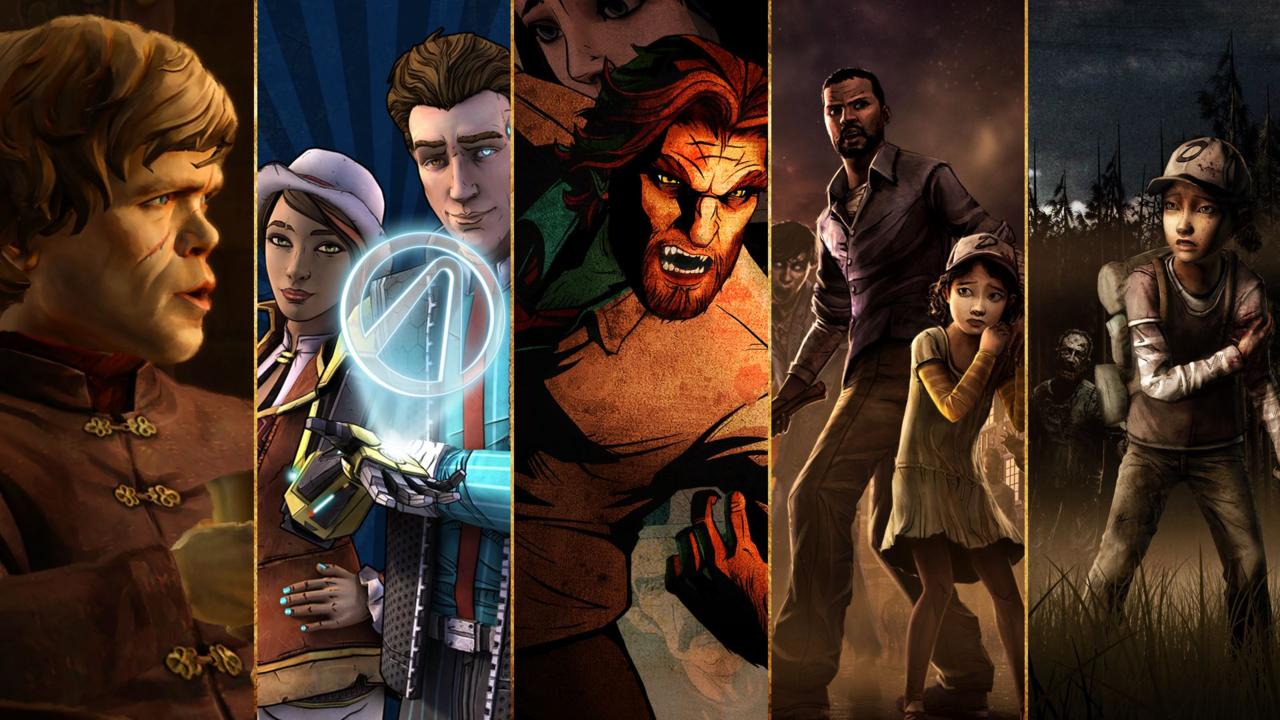
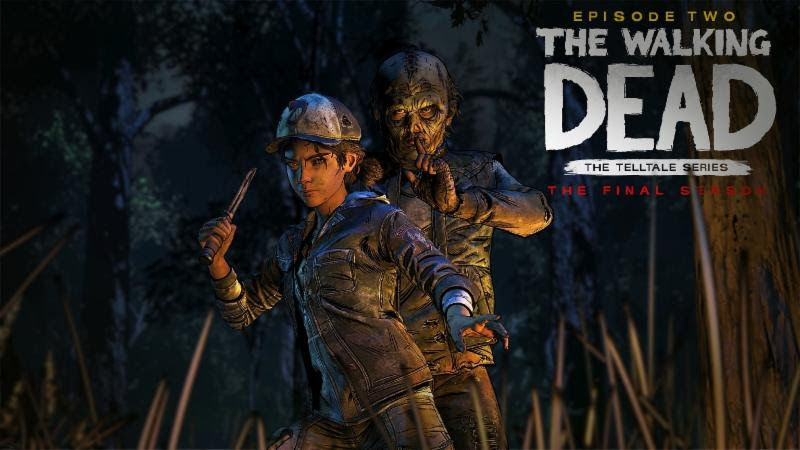
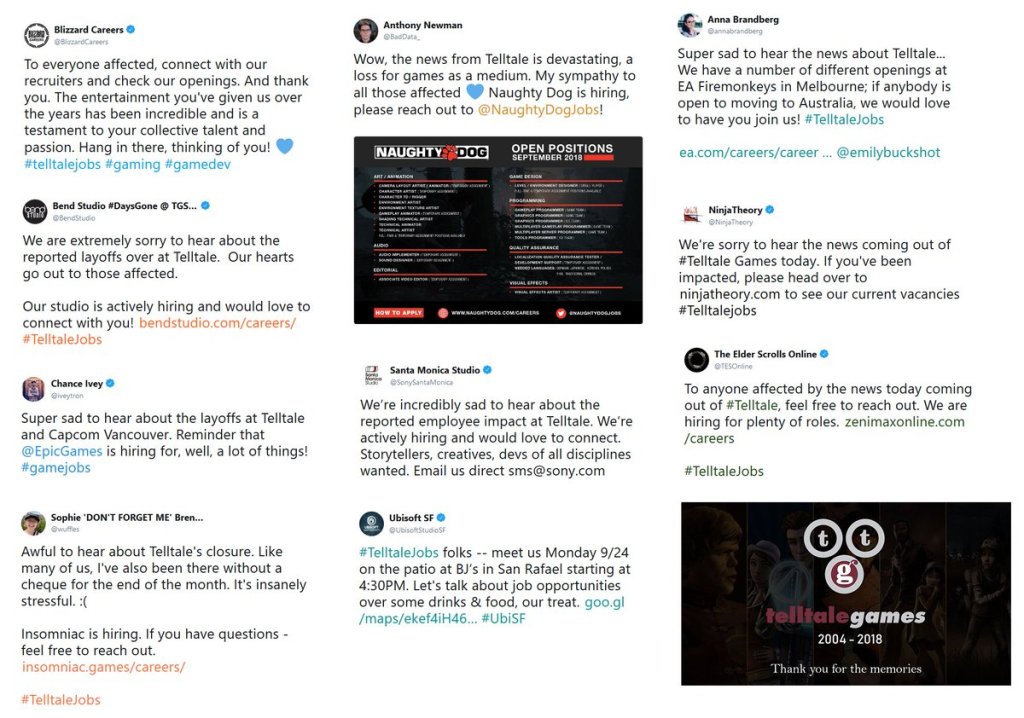
Some examples were talked about in our interview. I mentioned Telltale games. If we go way back to my first blog: The Fall of Telltale, Telltale had to let go many employees, as they went bankrupt. Only a few employees stayed to complete the final parts of two games. Many ex-employees were not given any severance and with all of those, It shows just how bad the management was in the studio.
We both agreed that that was poor management and it could’ve been something easy to solve, or if the issue was unsolvable, then they should have informed the employees, give them the severance needed, and then close the doors peacefully. But I digress. I was also given a small process of developing the game.
To make the process short and sweet, the process goes as this:
- Come up with an idea of gameplay.
- create a physical prototype of the game and playtest
- Continue to change the game to make it as fun as can be
- present the game to get it greenlit to digitize.
- repeat steps 2 to 3 over and over until the game is good enough to present to. If it’s good, it’ll lead to full production
For full production, it is simply developing and constant changes to the game, playtesting, programming, and many other things that would them, create a game! However, not every game idea is perfect. Before going into full production, presenting the game might not lead to it being created, thus being scrapped. It’s best to not be overattached with the prototype, because if the game gets scrapped, it would hurt since you’re attached to the game.
Games could take as short as a week, to as long as years to be created, depending on the length of the game. AAA games normally take years for a game to be made and lots of employees work towards the game. For a smaller game, It could take some time as well, but would be considerable shorter.
I had a really good time getting to interview and because of him, I was able to make a strong feature story, a little on the long informative sides, but a good feature story nonetheless!




 Weekly Blogs: Games and Animation/Art